Close
My Military
OneSource App
ARTICLE

Understanding Investigations After the Death of a Service Member

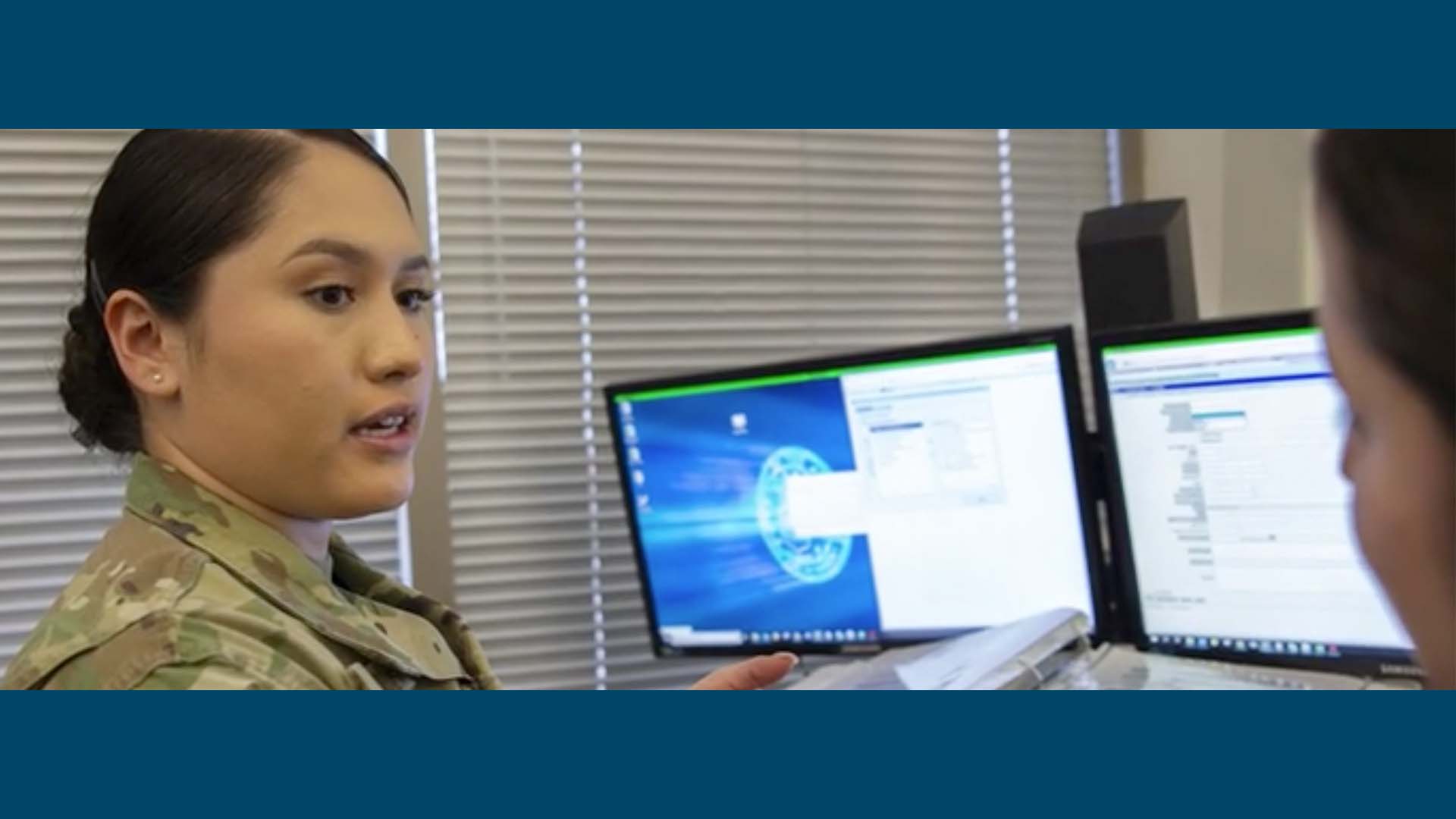
surviving family member meets with CAO

When a service member dies, investigations may provide clarity and accountability, while ensuring survivors receive the benefits they deserve. These reviews determine whether the death occurred in the line of duty, as well as examine circumstances and identify safety issues to prevent future tragedies.

How to Access Report

A casualty assistance officer can assist you with requesting a copy of an investigative report. The Freedom of Information Act gives you that right.

What to expect

Investigators may ask personal questions. You don’t have to answer anything that makes you uncomfortable, but cooperation can speed up the process.

  • Military police or investigators might take personal items as evidence. You can keep a record of what was taken to help you get them back at a later date.
  • Survivors are entitled to a copy of the investigative report under the Freedom of Information Act.

This eTutorial provides general information about investigations that might be conducted after accidents or incidents that involved the death of a loved one. You’ll also learn about information provided to the primary next of kin upon request.

How to request a report

Ask your casualty assistance officer or Military Criminal Investigation Organization family liaison how to request a report. They’ll explain paperwork and waiting periods — investigations can take up to a year or more. Upon request, the Service concerned will provide a qualified representative to answer any questions about the investigation reports.

Once an investigation is complete, survivors might be able to request copies of investigative reports. For many of the reports, you will need to submit a FOIA request. Below is the contact information for the primary FOIA offices for the military services. Additional agency information can be found at the FOIA website.

Types of investigations

When a service member dies, several types of investigations, such as the ones listed below, can help clarify circumstances and ensure accountability.

  • Medicolegal investigations include an autopsy to establish the cause and manner of death. Autopsies are a standard part of many investigations and provide critical information used in official reports and legal reviews.
  • Military criminal investigations determine whether a crime under the Uniform Code of Military Justice or federal law has occurred. These investigations are conducted by the specific branch’s criminal investigative organization (Army Criminal Investigation Division, Navy Naval Criminal Investigative Service, Air Force Office of Special Investigations), and families are typically assigned a liaison to provide updates.
  • Safety investigations focus on identifying hazards and preventing similar incidents in the future. These reviews are internal and protected, meaning their findings are not released to the public.
  • Commander-directed investigations are administrative reviews to gather facts and make recommendations for incidents like suspected misconduct or property loss. The Army’s version is the AR15-6.
  • Line of duty investigations determine whether the death happened while the service member was performing official duties. This finding directly impacts eligibility for certain survivor benefits. Families that have concerns about the thoroughness and accuracy of death investigations can submit requests for assistance to higher level commanders, the corresponding service inspector general or the War Department IG through the hotline: 800-424-9098.

When an incident involves the loss of life, each service branch may use its specialized criminal investigative services to investigate what happened, which is listed below.

  • Army: Criminal Investigation Command
  • Marine Corps/Navy: Naval Criminal Investigative Services, or NCIS
    • For Navy families, line of duty investigations determine whether a sailor was performing official duties at the time of death — a finding that directly affects eligibility for benefits such as the Survivor Benefit Plan.These investigations are conducted by the service member’s losing command (the unit they were assigned to at the time of death) and finalized by a General Court-Martial Convening Authority, or GCMCA. If the determination is “Not In the Line of Duty,” SBP beneficiaries have 30 days to respond before the decision is adjudicated by Navy Personnel Command.Next of kin can request a copy of the report through a Freedom of Information Act request to the GCMCA or NCIS, though timing and eligibility depend on the case.
  • Air Force/Space Force: Office of Special Investigations
  • Coast Guard: Coast Guard Investigative Service

Other types of investigations — such as medical, safety, command-directed and line of duty — are conducted by different authorities, including medical examiners, safety boards and commanding officers.

Federal role

The Armed Forces Medical Examiner System, or AFMES, is the Department of War’s primary forensic authority for investigating military deaths, analyzing evidence, identifying remains, monitoring mortality trends and supporting criminal and civil investigations.

AFMES conducts autopsies and scene investigations worldwide, ensuring accurate identification and evidence handling. Federal law also guarantees survivors access to reports through FOIA, reinforcing transparency.

A team of board-certified forensic pathologists, anthropologists, death investigators and photographers handles evidence — and is able to deploy within four to 48 hours.

Local law enforcement/coroner/medical examiner

For cases occurring within the United States — state, county or parish authorities may have jurisdiction. This means:

  • Local law enforcement can conduct its own investigation alongside military agencies.
  • A local medical examiner can perform an autopsy if required by state law.
  • These agencies work in coordination with military investigators to ensure all legal and medical requirements are met.
  • Federal agencies oversee the process to ensure national standards and legal compliance.

An autopsy report summarizes the findings from an autopsy. It describes any diseases or injuries identified and may include the results of laboratory testing, such as toxicology.

The report also documents the cause of death, which is the specific injury or illness that led to death, and the manner of death, such as natural, accidental, suicide or homicide.

Information in an autopsy report may be used for insurance claims and other legal purposes.

In most cases, the legal next of kin may request a copy of the autopsy report. The process for requesting the report varies by location but usually requires submitting a written request to the medical examiner’s or coroner’s office.

It is a system the DOW uses to collect and track information about suicide-related events among service members.

Here’s what it does:

  • Tracks suicide behaviors: Includes completed deaths by suicides, attempts and thoughts of suicide
  • Collects key details: Age, rank, deployment history, mental health status and other factors
  • Helps prevent suicide: Spotting trends and risks, and supports programs and policies to reduce suicides
  • Yearly reports: Data compiled into annual reports that guide military leaders and health initiatives

More help for survivors

The Days Ahead: Essential Papers for Families of Deceased Service Members provides several key resources to help survivors during a very difficult time.

We are sorry you didn't find this article helpful. Please provide a little more information to help us improve.

Learn about military bases worldwide. Get installation overviews, check-in procedures, housing, contacts for programs and services, photos and more.

Find an Installation