Close
My Military
OneSource App
ARTICLE

The Added Benefits of Military Service

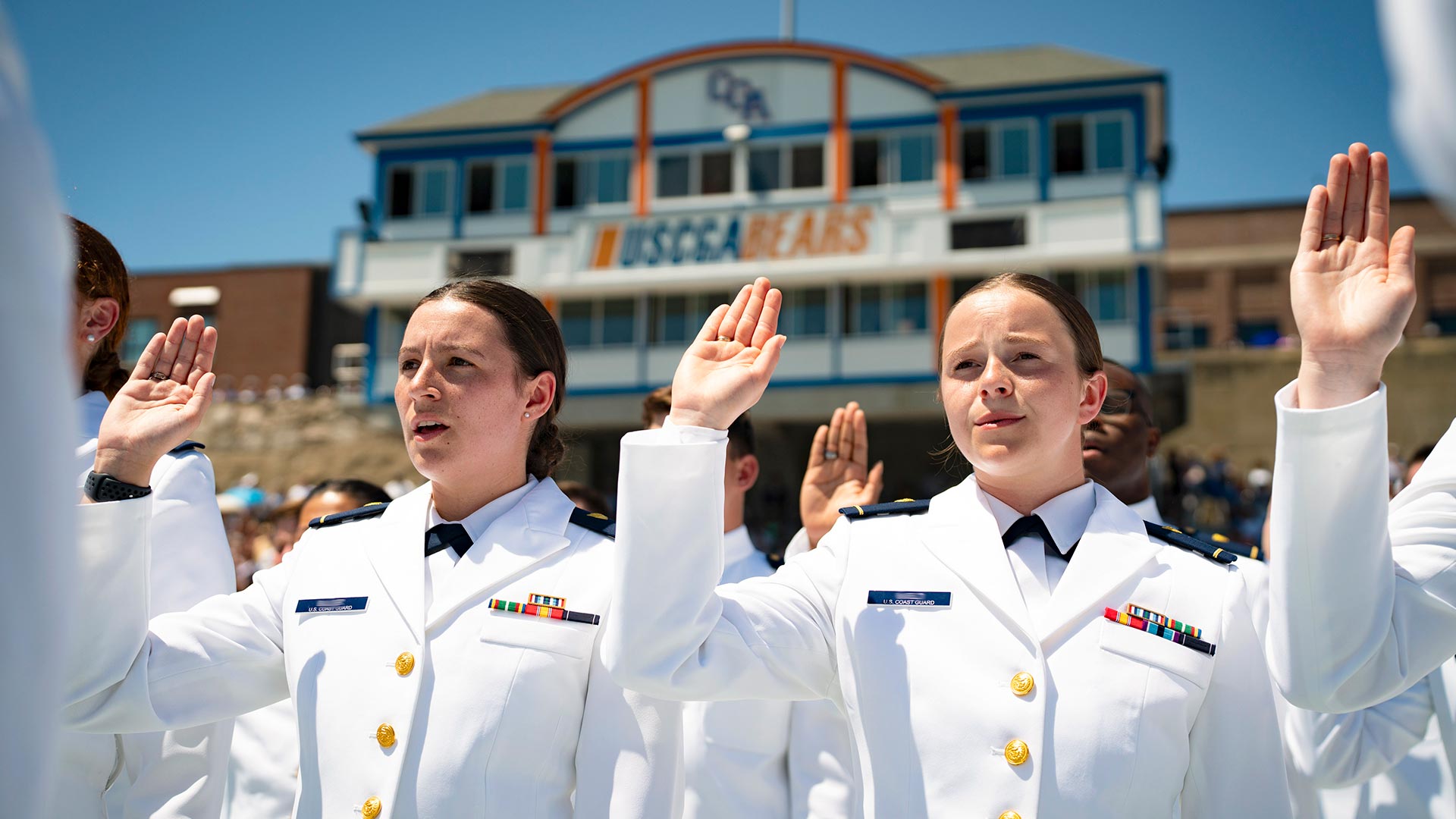
New Coast Guard cadets taking oath

As a new member of the military community, you may have heard the news that all service members received a 3.8% military pay raise, along with an additional 10% pay raise for junior enlisted service members in 2026. Beyond the salary bump, military service offers you additional ways to be financially fit while shaping your life and preparing you for the future.

Newsletter Connects Friends, Family

Gain a better understanding of military life with the Friends & Family Connection eNewsletter.

The military provides notable compensation benefits, ranging from paid leave days to retired pay plans that often beat those offered by private-sector employers. Military service also provides free or reduced-cost housing, a host of special and incentive pays for qualifying conditions, free financial and tax consultations and more.

At the same time, the military offers you opportunities to develop both professionally and personally. Tuition assistance and opportunities to travel and develop leadership skills are just some of the reasons a military career is unlike any other.

Military financial benefits

In addition to basic pay, service members may also receive housing and food pay. A basic allowance for housing helps you offset the cost of housing. Whether they choose to live on the installation or in town, BAH provides a reasonable amount each month to afford housing based on their rank and the area where they live.

Basic allowance for subsistence is a monthly allowance meant to assist service members in paying for meals. However, if you live on the installation, you may receive free meals at a dining facility instead of BAS.

Overseas Cost of Living Allowance is a nontaxable allowance designed to offset the higher overseas prices of nonhousing goods and services. It is not a fixed amount and may vary based on location, pay grade, years of service and number of dependents. OCOLA can fluctuate based on the exchange rate and should not be included in your monthly budget.

While basic pay and allowances cover the fundamental components of military pay, special and incentive pays are used to compensate service members for qualifying conditions and to recruit and retain them. Common S&I pays are:

  • Hardship Duty Pay, or HDP: Recognizes service at locations where living conditions are substantially below those in the continental United States.
  • Assignment Incentive Pay, or AIP: Paid to service members to encourage them to volunteer for difficult-to-fill or less desirable assignments, locations or units designated by and under conditions of service specified by the military department.
  • Hazardous Duty Incentive Pay, or HDIP: Paid to service members who perform duty that is inherently dangerous or risks physical injury.
  • Special Duty Assignment Pay, or SDAP: Recognizes service in assigned duties determined to be extremely demanding, requiring a greater than normal degree of responsibility or difficulty, or requiring special qualifications.

Service members receive 30 days of paid leave each year, as well as all federal holidays. Whether it’s a short or long trip, you can go on vacation and fully enjoy their time off while continuing to receive their regular pay and eligible allowances that are due to them.

In most cases, service members may carry forward up to 60 days of accumulated leave into the next fiscal year. However, under certain qualifying conditions and with written approval from senior leadership, they may be authorized Special Leave Accrual. SLA allows service members to carry forward up to an additional 30 days of leave, for a combined total of 90 days. Approved SLA leave must be used within a specified timeframe following the end of the qualifying service, or those days may be forfeited.

You can rest easy knowing that you are fully covered for free through TRICARE Prime. Active-duty service members will never pay out of pocket for any type of care within the network for this comprehensive medical insurance program. TRICARE also offers several plans that cover service members and their immediate family members at competitive rates.

Service members who stay in the military for 20 years qualify for monthly retired pay, which provides a continuing source of income long after the member has ended their service. In addition to this pension-like benefit after a full career, new members and those who previously opted into the Blended Retirement System can earn government-provided contributions to a 401(k)-like savings account called the Thrift Savings Plan.

This option is available to all members covered by BRS, even for those who do not intend to serve a full 20-year career. TSP is another avenue for service members to save and secure their finances for retirement. Service members can choose between a traditional or Roth account. Even if a service member decides not to retire from the military, they can roll their TSP into another 401(k) after separating from the military, or leave those funds in the TSP to continue growing until they reach full retirement age.

Those service members who are required to live on the installation don’t pay for their barracks or dorm accommodations. Service members who receive a housing allowance are offered affordable housing options on the installation or in town through the housing office.

This is a War Department program that supplements an eligible active service member’s household income if it’s below 130% of federal poverty guidelines (maximum payment is $1,100 per month). FSSA is only available for members serving overseas with at least one dependent in their households. This does not include Puerto Rico, the U.S. Virgin Islands or Guam. For more information about the FSSA program or any other assistance, members should contact their Military and Family Support Center, command or community services financial management counselors. The FSSA Application, DD Form 2857, is available on the WHS DOW Forms website

Service members are automatically signed up for Servicemembers’ Group Life Insurance through their branch. It offers low-cost coverage to service members of up to $500,000.

The military provides free financial perks to service members, like financial counseling and tax services through Military OneSource. You can be coached through several money-related issues, like budgeting and money management, and MilTax allows them to easily prepare and file their taxes every year.

Military discounts are a valuable financial perk, but are often overlooked. Service members have access to many perks like tax-free shopping at exchanges on the installation, as well as discounts at movies, restaurants, amusement parks and much more. They also never have to worry about paying baggage fees when flying within the continental United States.

At times, the military offers enlistment and reenlistment bonuses to service members in certain career fields. These bonuses are usually offered to help recruit and retain service members for jobs that are hard to fill or that require high skill levels. Each branch determines how much to offer. Bonuses are not guaranteed and change constantly at the discretion of each branch. For accurate information on bonuses, service members can contact their personnel office.

Professional and personal development

Military service shows you what they are capable of, helping them grow both personally and professionally. The military instills strong values, such as integrity, personal responsibility and other traits that will serve you well, wherever you go in life.

As a service member, you will acquire knowledge, skills and abilities that civilian employers value. These include:

  • Leadership. The military trains individuals to lead with confidence, example and integrity.
  • Discipline. Service members learn that success requires them to see a task through to completion and take responsibility for their actions.
  • Flexibility. Conditions can change quickly in the field. Service members learn to adapt to new situations with little preparation.
  • Teamwork. The military is made up of people of different backgrounds and personalities. Service members learn to overcome their differences and work cooperatively to accomplish their mission.
  • Communication skills. The military teaches service members to communicate with one another effectively and efficiently.
  • Problem-solving skills. Service members learn to think on their feet. When something doesn’t go as planned during a mission, they quickly identify new solutions.
  • Technical skills. In addition to their technical education, service members have opportunities to become proficient in a variety of technical and tactical skills.

You may qualify for tuition benefits while serving and after leaving the military. The military Tuition Assistance Program provides up to $4,500 of assistance per fiscal year. The Department of Veterans Affairs administers a number of education benefit programs, including the Post-9/11 GI Bill, which you can use after leaving the military.

Regardless of the economy, the military offers a secure job and a regular paycheck.

As a member of the armed forces, you will be challenged to grow in new ways. They will discover new strengths and capabilities, boosting their confidence and opening new pathways in life. Areas of personal development through military service include:

  • Fitness. Physical fitness is important in the military, where staying strong and healthy is essential to the mission. In addition to the physical benefits of staying fit, studies have shown that exercise boosts emotional well-being.
  • Friendship. Deep bonds of friendship often develop among those who serve together. Service members connect with one another through shared experiences and mutual dependence.
  • Travel. Service members have opportunities to live in different parts of the country and the world. Being exposed to new cultures and ways of life broadens their horizons and teaches them about how the world works.
  • A sense of purpose. Serving in the military can instill the sense of purpose that comes from working toward something much bigger than yourself.

Military service comes with many benefits — both financial and personal. Whether you plan to serve one tour of duty or retire after 20 years, you can be confident you are fully compensated while serving your country and have opportunities to gain skills and strengths that will shape your life in positive ways long into the future.

We are sorry you didn't find this article helpful. Please provide a little more information to help us improve.

Learn about military bases worldwide. Get installation overviews, check-in procedures, housing, contacts for programs and services, photos and more.

Find an Installation