Close
My Military
OneSource App
ARTICLE

How to Support Military-Connected Children

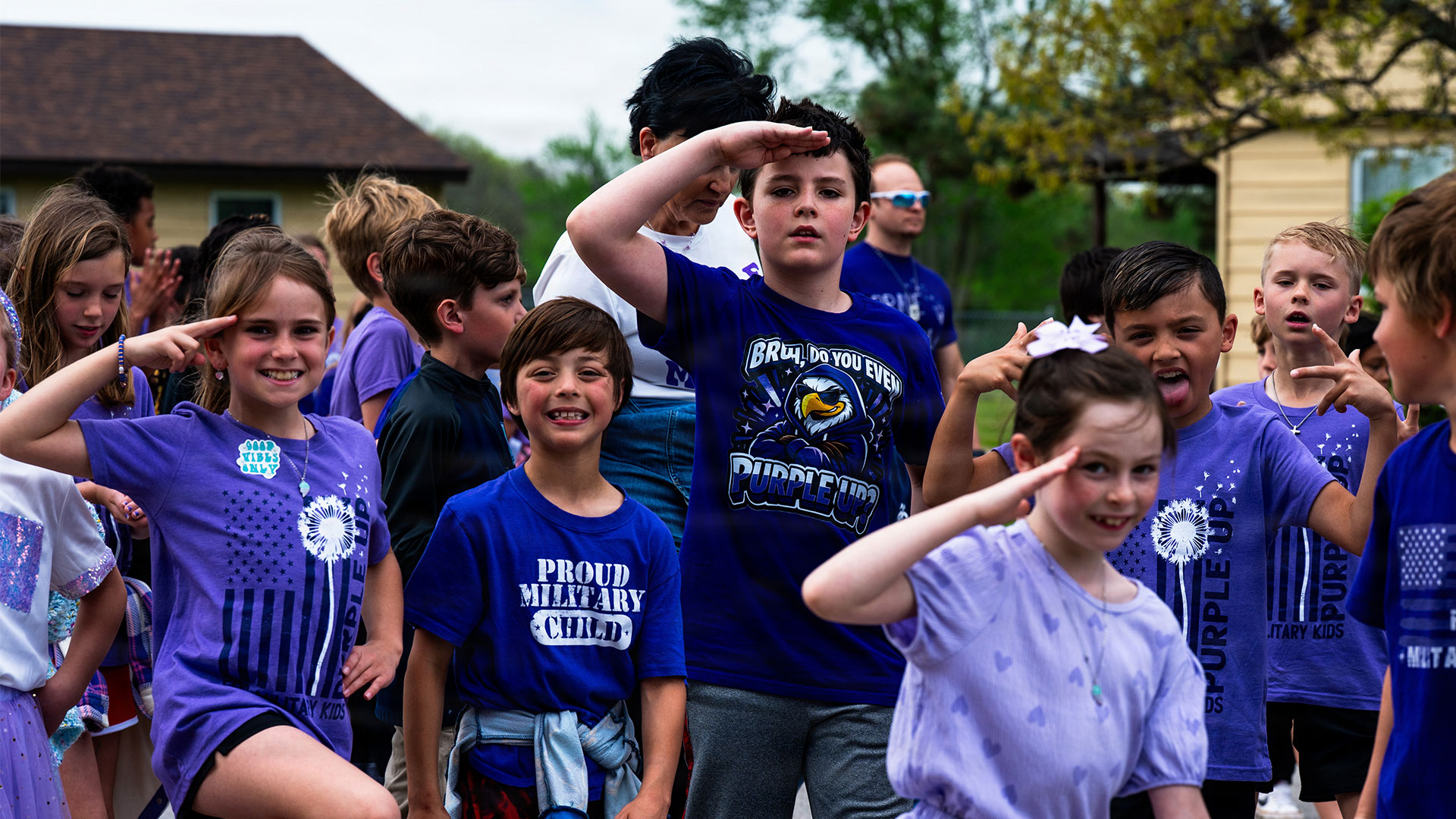
kids walking in month of the military child walk

Everyone in the military community can play a positive role in the life of a military-connected child. Strong, supportive relationships help children cope with challenges they might face.

Research shows that children are more likely to develop resilience when they have at least one stable, caring adult in their lives. That support may come from a parent, caregiver or other adult.

How Kids Cope With Stress

Discover how your actions can help children develop essential skills to cope with stress and challenges.

Think about a time when an adult encouraged you or offered helpful advice as a child. Small moments of support can leave a lasting impression. When adults show up consistently for children, it helps them build confidence, feel safe and better handle life’s challenges.

Child development experts also emphasize that trusted adult relationships help children develop healthy social behaviors and positive coping strategies that support long-term emotional and physical well-being.

Children also benefit from the strength, leadership and commitment they see in their parents or other caregivers. At the same time, it’s particularly important for children to learn how to adapt and manage stress.

You can help foster these skills by creating positive, supportive interactions with the children in your community.

Supporting military-connected children

Small, consistent actions can make a meaningful difference in the life of a military-connected child. Here are some suggestions on how you can influence their life for the better:

Positive words can leave a lasting impression on a child. Simple encouragement, such as saying “great job” or acknowledging effort, helps build confidence and reinforces positive behaviors. Praise can be as simple as recognizing a completed homework assignment, helping at home or doing their best in school, sports or other activities.

Children need adults who regularly engage with them, check in and listen. This is especially important for children dealing with a parent’s deployment or other military-related stress.

Ask about their day and genuinely listen to their responses. Giving children your full attention helps build trust and shows you care. Put away distractions, make eye contact and respond thoughtfully to what they share. This encourages them to seek help with more serious matters.

Children often look to adults to understand how to react and communicate. Most importantly, let them know you believe them and that their feelings matter.

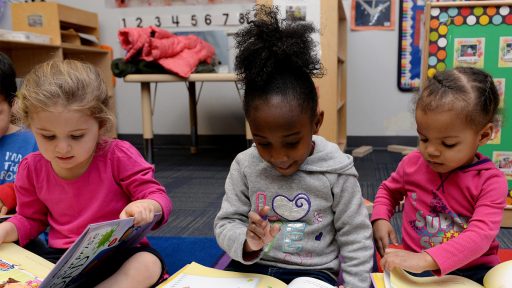
Take time to play games, read, do crafts or enjoy other activities with the children in your life. Positive interactions help children feel valued and supported, which can strengthen their self-worth.

For ideas about activities and programs on your installation, use MilitaryINSTALLATIONS to find contact information for local child and youth programs or your Morale, Welfare and Recreation office.

Children often pick up on the emotions and stress of adults around them. Learning how to manage your own stress can help create a more supportive environment for children. To keep your family strong, it’s important to prioritize your own mental wellness and self-care, including learning how to handle stress in healthy ways.

Coaching can be a great way to support military-connected children while teaching teamwork, communication and confidence. Many installations offer opportunities to volunteer with youth sports and after-school programs.

Mentoring can help children feel connected to supportive adults in their community. Look for mentorship opportunities through installation programs or community organizations.

Positive, consistent support from caring adults can help children cope with adversity, including trauma, abuse and neglect. Each supportive interaction can make a difference. Thrive also offers programs for military parents to help them build skills for positive adult-child interactions.

If you know a child who has experienced abuse, neglect or a difficult or traumatic life event, you can:

By being a positive and supportive presence, you can help children grow up feeling safe and strong.

We are sorry you didn't find this article helpful. Please provide a little more information to help us improve.

Learn about military bases worldwide. Get installation overviews, check-in procedures, housing, contacts for programs and services, photos and more.

Find an Installation