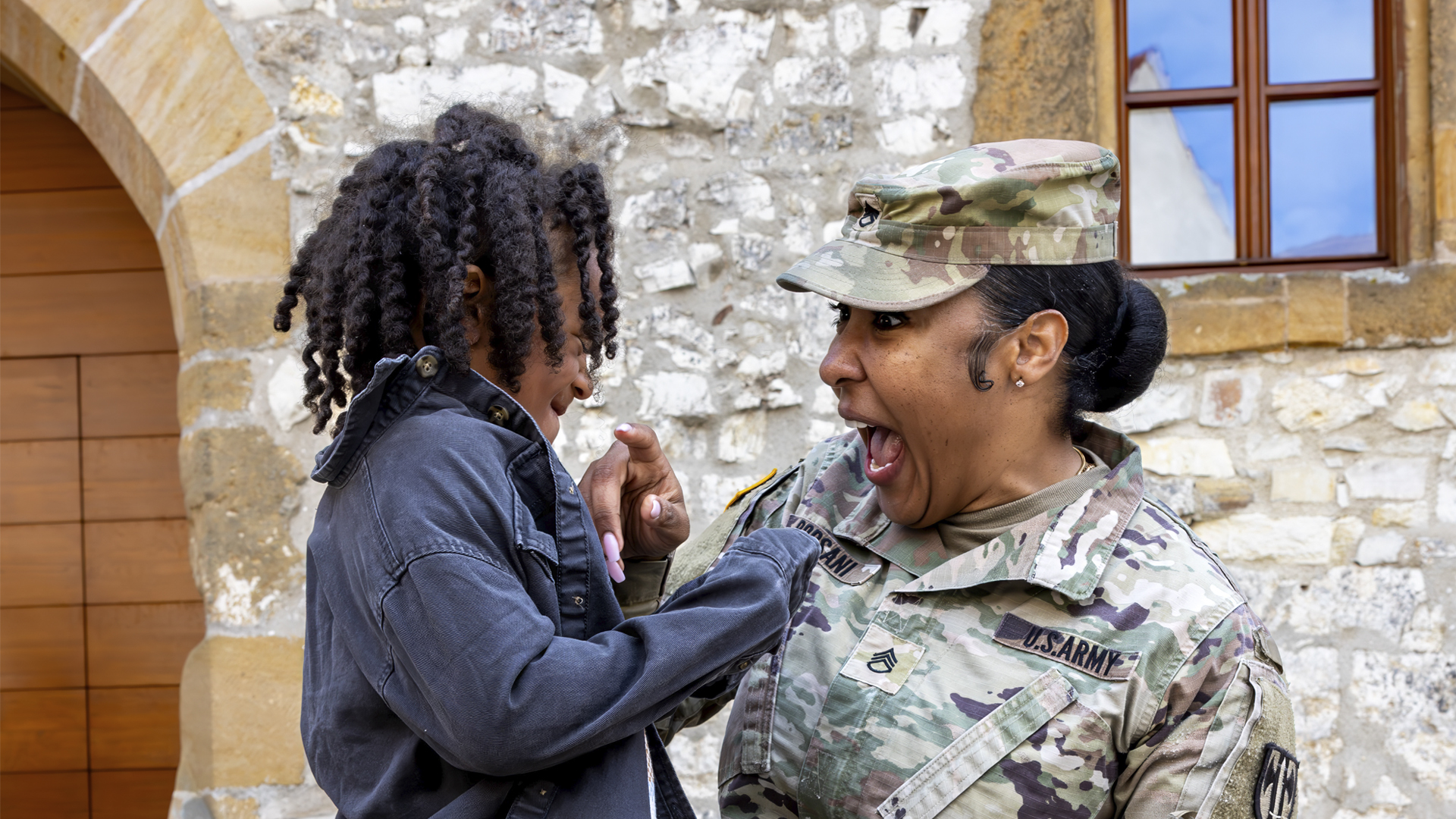
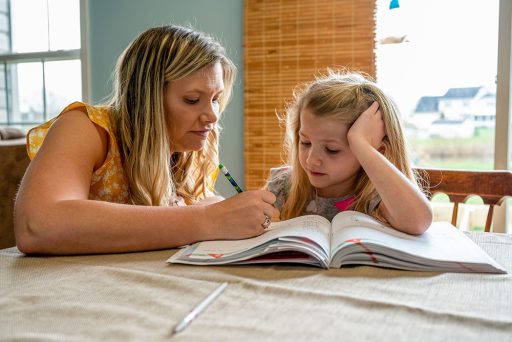
Parenting is a perfect example of family readiness — it’s an “always on” job. Like a military mission, responsible parenting requires attention, smarts, skills and support. Here are 13 tips to help you step up your parenting and improve your child-rearing skills.
TIP 1: Engage with your child.
Take 15 minutes each day to play with your child or interact with your teen. Engaging in positive activities with them can help occupy their time and reduce unwanted behaviors. To get some ideas, explore the ZERO TO THREE At-Home Activity Guide. For older children, try tic-tac-toe, sudoku, guessing games and board games. Challenge your teenager to a game of cards, or cook a meal together. To get your child moving, you could organize a scavenger hunt or play soccer or basketball. You can also explore ideas for healthy activities and living.
TIP 2: Show your love and be there for your child.
Let the children or teen in your life know how much you appreciate and care for them. All children deserve to have someone who encourages them and loves them unconditionally. Acceptance from family can have a positive effect, not only on a youth’s self-esteem but also on their health and well-being.
TIP 3: Connect with a strong social network and support each other.
Connect with friends, family, neighbors, playgroups and/or parent groups that support families. You can also strengthen your community by complimenting a parent — someone you know or someone in public — on something positive you see them do with their children. Or offer a helping hand when you see a neighbor or friend struggling, such as when a family is in the middle of a move. Your support can make a huge difference for a family under stress. You could also offer to babysit for the child of a friend, neighbor or family member, even if it’s just to help them rest or recharge for an hour or two.
Check out these ways to support a MilFam before their move. You can also reach out to your installation’s Military and Family Support Center for local activities and support offerings.
TIP 4: Be present and keep your child safe.
Children may learn more and likely will feel more secure when you spend unplugged, face-to-face time with them. Plus, they need your attention so they can avoid accidents at home that may hurt them. Learn more about keeping your children safe by being actively present with them.
TIP 5: Learn how to manage your stress.
Stress can get in the way of being an effective parent. Managing your own stress can improve your happiness and provide a model for your children to manage theirs. Military OneSource offers stress-release tips and wellness apps to help you cope with stress. Reach out to your local Military and Family Support Center to learn about its stress management classes.
TIP 6: Connect with your baby and know the rules for safe sleep.
Bonding with your baby is vital. ZERO TO THREE has a variety of resources for parents, including articles and videos about early learning, play and sleep. Check out these tips for some easy ways to bond with your baby. Also, learn the rules for keeping your baby safe during sleep time. Babies should sleep on their backs in a safe crib and be dressed in sleep clothing, with no blankets or pillows.
For more bonding ideas and information about safe sleep, contact your local New Parent Support Program or call Military OneSource to request a New MilParent specialty consultation. You can also refer to this MilLife Guide on safe infant sleep or listen to this podcast about safe sleep practices.
TIP 7: Show interest in your teen.
Respect, talk to and engage your teen as much as you can. Doing things together, having face time at dinner, and showing affection and interest are all things that can help keep teens safe and healthy. Get more ideas for positive parenting and helping your teen manage stress, including connecting to confidential counseling for youth and health and wellness coaching. Building Healthy Relationships specialty consultations can help improve parent-child relationships by offering coaching sessions, practical tools, resources and problem-solving techniques.
TIP 8: Sign up for fun and get active.
Youth and teens can engage in a variety of recreational opportunities, camps and more through the military — available via your installation’s youth center, 4-H military partnerships, Boys & Girls Clubs, the YMCA and War Department summer camps. Your local installation may also provide MWR activities that include sports and fitness. You can also download the free Moving to THRIVE resource, which offers suggestions for physical activities and playtime. Check out For Youth & Teens Benefits for more offerings.
TIP 9: Use parenting resources.
Get parenting tips and ideas by talking to counselors, doctors, teachers, family and friends. View our top Military OneSource parenting resources. Or check out the Military Parent Resource Center. You can also explore Thrive, a free online parenting education program from the DOW in partnership with the Clearinghouse for Military Family Readiness at Penn State. Thrive offers evidence-based, positive parenting practices for children from birth through age 18.
Military families can also access resources that address unique challenges and opportunities of military life, including childcare, tutoring, employment support and 24/7 counseling. For more information, call Military OneSource at 800-342-9647, view OCONUS calling options or log in to start a secure live chat.
TIP 10: Help your teen make healthy food choices.
Check out the Real Food website. You can also tap into your local commissary for savings on healthy food, or talk to a health and wellness coach.
TIP 11: Stay ahead of problems that may add up over time.
Child abuse and neglect have long-term consequences for children, families and communities. That’s why it’s important to learn how to protect your children by building family readiness, as well as how to recognize healthy versus unhealthy sexual behaviors in your child.
If you are concerned about the safety or well-being of a child, help is readily available. Find out how to report suspected child abuse. Visit MilitaryINSTALLATIONS to find your installation’s Family Advocacy Program. You can also call Military OneSource for connections to the reporting lines for child abuse.
TIP 12: Protect your teen.
Nobody likes to think about the dangers of bullying, cyberbullying, teen dating violence, sexual assault or child trafficking — but it can happen in any family. Learn the signs and how to keep your teen safe. It’s also important to encourage your teen to create safe and healthy relationships.
TIP 13: Prepare your children for deployment.
Babies and toddlers can sense stress in their homes. As a caregiver, you can help them manage their strong emotions.
Attend to your emotional health as well, so you can better care for your children. Help your child prepare for deployment, support your children during deployment and explore When a Parent Deploys for ages 2 through 5 and Sesame Street for Military Families.
Free counseling is also available through Military OneSource and the Military and Family Life Counseling Program. Children ages 6-12 are eligible for family sessions through Military OneSource with a parent present. For youth ages 13-17, a parent must be present at the start of each session to authorize counseling. Counseling through the Military and Family Life Counseling Program is available to children under 18 with a parent’s written consent. You can locate an MFLC near you using the MFLC Locator.
For more information, call Military OneSource at 800-342-9647, view OCONUS calling options or log in to start a secure live chat.
Everybody wins with responsible parenting.


 Support for Military