Close
My Military
OneSource App
ARTICLE

Self-Care and Support While Your Partner Is Deployed

women doing yoga

Deployments and separations are part of military life and often bring changes and added responsibilities at home. Managing things on your own — especially tasks you once shared with your partner — can seem overwhelming. You are not alone. Support is available, and there are steps you can take to help navigate this time. Explore these tips and resources.

Before deployment

As departure day nears, some spouses begin to feel:

  • Confused, stressed, resentful or depressed
  • Detached or withdrawn as their service member invests more time and commitment in the mission
  • Hopeless and impatient
  • Emotionally and physically distant

To better support one another during the predeployment period, remember that it’s important to:

  • Keep the lines of communication open. Talk about your feelings and discuss what you expect from each other during deployment, including how you’ll communicate.
  • Create opportunities for lasting memories during separation. Spend time together in a relaxed atmosphere to create memories that will sustain you during deployment.
  • Get to know other military spouses and service members who are going through the same experience. Get involved with family readiness activities and other unit or installation events.

One way to reduce uncertainty and stress would be to use the Plan My Deployment Checklists tool, which can help you organize all phases of deployment — before, during and after. Setting up these practical, logistical checklists may ease your worry and allow you to better take care of yourself and each other.

During deployment

Stay grounded.

Don’t try to hide your feelings. It’s normal to feel sad, lonely or angry when you’ve been separated from your spouse. Some days may feel harder than others. Maintaining a positive attitude can be difficult, but positivity doesn’t mean ignoring difficulties or hiding your feelings — it means you accept the situation and trust you have the power and resources to get through it.

Download the Chill Drills by Military OneSource app.

Keep calm close by with simple audio drills designed for the military community to help manage stress.

  • Try to get comfortable with change. Change can be difficult and uncomfortable, but it can also help you build skills, self-confidence and connections and to grow — as a person, as a couple and as a family.
  • Focus on things you CAN control. A key part of resilience is learning to pay attention to what’s going well. When you have negative thoughts, stop and remind yourself of — five things you’re grateful for. These can be simple — the sun is shining, you’re breathing, your children are healthy, you’ve slept well and your morning coffee is delicious. Practicing gratitude helps reduce stress.

If you have children, remember they learn as much from what their parents do as from what their parents say. When parents learn how to adjust, how to be patient, they show children how to do that too.

Practice healthy living.

Take care of yourself. Healthy living practices are other things you can control and model. Deployment can be a great time to focus on good sleep, good eating, regular exercise, stress management and staying connected to loved ones. Think about it as adding new tools to your wellness toolkit.

Pick a healthy living practice that appeals to you and add it to your daily life. Even small steps can make a big difference — like eating one healthy meal a week, giving up your favorite snack until the weekend or exercising for 10 minutes a day.

If you want to try a new wellness practice and aren’t sure where or how to begin, it can help to have a little support. Use these resources from Military OneSource to jump-start your healthy living practices:

Health and wellness coaching is available at no cost through Military OneSource. Coaches can help you manage your weight, stress and life transitions.

Learn some stress management techniques that work for you. Try out some different ways to relieve stress, such as an exercise class, journaling, meditation or deep breathing. Thrive is also a free, online parenting education course with tips for positive parenting, stress management and physical activities for the whole family. You can enroll in the course or check out their downloadable parent resources.

Ask for help.

You don’t have to do this alone. Call a friend, ask a family member to help with errands — set up a babysitter so you can have time to decompress by yourself. Even something as simple as regular check-ins by text or phone with loved ones can give you support. It’s helpful in these situations to talk things out. Consider reaching out to the Military and Family Life Counseling Program for additional support.

These DOW-recommended wellness apps can help you and your family manage stress anytime, anywhere. Try Breathe2Relax, Virtual Hope Box, Provider Resilience and more. Sesame Street even offers an app for children — Breathe, Think, Do. All apps are free and downloadable on iOS or Android devices.

Get out and connect.

Your comfort zone might be at home, especially if you’re feeling stressed, but research shows getting out and connecting is good for both mental and physical health. Here are some ways to get out and connect:

Research shows that spending even 10 minutes outside can help reduce physical and mental stress and make you feel happier. So try taking a short walk or just sitting outside for 10 minutes.

Deployments can be an ideal time to visit friends or family members or have them visit you. This can also be an opportunity to start new routines with your social network, such as regular get-togethers or special outings.

Get tips from other military spouses and how they manage the deployment cycle from stories like this on Military OneSource’s Blog Brigade:

Family readiness groups can help you find support from other spouses and military families, and are a great way to build lasting friendships and connect with the community. Your installation Military and Family Support Center can point you in the right direction.

Plan an event with other families who are coping with a deployment or find a support group through your military community. If you have children, you might try setting up play dates with neighbors and children from school. This gives you a chance to meet other parents, make new connections and maybe find friends you trust to trade babysitting with.

Find things to look forward to. Take a class, volunteer or start a project you’ve always wanted to do. Your installation Morale, Welfare and Recreation programs are a great resource for entertainment and recreation. Offerings vary by location but can include yoga, cooking and other classes and activities, as well as military youth and teen programs. You might also consider volunteering. Volunteering provides an opportunity to serve the community, learn new skills and create lasting friendships. Your installation Military and Family Support Center can help you find volunteer opportunities both on the installation and in the community.

Additional practical tips for during deployment

In addition to practicing healthy living, here are some other tips for managing stress during deployment.

Always have pancakes on the weekend? Try to keep it up — consistency is good for helping children manage transitions. But maybe add some new family activities. Try family movie or board game night or initiate after-dinner family dance time and let your children take turns picking the music. Your children can help with menu planning and cooking — or let them take turns choosing a weekly family activity. Getting everyone involved in planning and activities can be a good way to build confidence, learn new skills and stay connected.

While your spouse is deployed, you may receive special pay and allowances. Learn more about setting savings goals and the MilSpouse Money Mission. You can also contact your installation personal financial management services office or call Military OneSource for financial counseling.

A simple getaway can be something to look forward to and talk about with your family while your partner is deployed. Learn about discounted travel, entertainment and recreation activities, including Best Kept Secrets: Joint Services Campgrounds and Facilities.

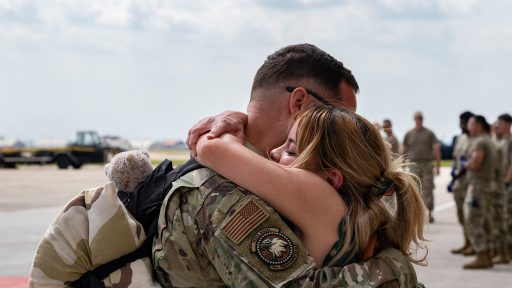
Reunion and reintegration

This period can last from a few weeks to several months. Along with your relief and joy, there may be an adjustment period for you, your service member and your family. This may be especially difficult if your service member is having difficulty disengaging from combat or is suffering from combat stress.

There are several things you can focus on to reduce stress for you and your family:

  • Talk openly and honestly about your experiences during the deployment and how you’ve changed. It can help you re-establish a foundation of healthy communication and encourage your service member to trust you with his or her deployment experiences.
  • Try to be patient. It may be some time before you and your spouse feel relaxed and comfortable together. Recognize deployment reintegration may not go exactly the way you expected.
  • Make plans. Making plans together, whether it’s for a weekend outing or planning for the future, can help you focus on your life together and help you feel closer.

Reach out if you need support.

If you’re feeling overwhelmed, reach out for assistance. Speaking with a counselor can help you manage emotions and challenges that come up throughout the deployment cycle. The following services offer free confidential counseling:

  • Military Family Readiness System programs and services. This network provides comprehensive support for all aspects of military family well-being. Offerings include deployment assistance, new parent and exceptional family member support, emergency financial assistance and more.
  • Military OneSource Counseling. You can meet with a counselor online, by phone or through secure video connection.
  • The Military and Family Life Counseling Program. This service, for service members, spouses and families, is available through your installation’s Military and Family Support Center.
  • MilSpouse Toolkit from the Building Healthy Relationships specialty consultation. From education on military culture to navigating resources, this Building Healthy Relationships track is beneficial for new spouses who may be experiencing a disconnect from their family and need to identify a support system in their new community.

If you have questions or want help locating resources, contact Military OneSource. Consultants are available to help answer questions and connect you with the support you need. Call 800-342-9647, view OCONUS calling options or log in to start a secure live chat.

Learn about military bases worldwide. Get installation overviews, check-in procedures, housing, contacts for programs and services, photos and more.

Find an Installation