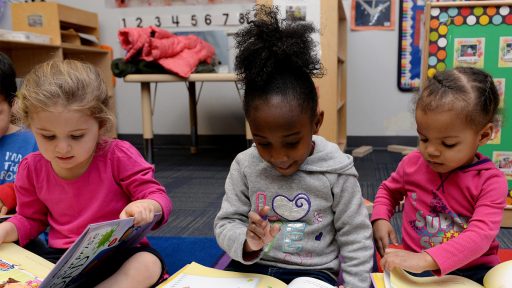
Children change quickly. Suddenly your sleepy infant is an independent 3-year-old. Before you know it, your kid is off to high school.
Each phase of a child’s life comes with different joys and challenges. Learning about your child’s developmental stage is one way to become an even better parent. By having the right information at the right time, you can help your child grow and learn.
Here are some tips for better understanding and supporting your child’s growth, no matter what the age or stage.
Why you should track your child’s milestones
Many parents look forward to their child’s first smile, first step or first “mama” or “dada.” These moments are more than memories. Some early skills such as rolling over, waving, saying a few words and walking are developmental milestones.
These milestones help you understand how your child is advancing physically, mentally and emotionally. Through home visits by a team of professionals, the New Parent Support Program offers parents personalized support, guidance on child development and answers to everyday parenting challenges.
Remember every child is different, and there’s a wide range of expected dates for any particular skill. There are guidelines, for example, that most babies learn to walk between 9 and 15 months. Keep in mind that accomplishing a developmental task early does not necessarily predict that the child will be superior in a particular domain.
Keeping track of your child’s major milestones, especially early ones, helps you know what to expect. It can also signal you when your child may need additional help. Track your child’s changes with the help of the Centers for Disease Control and Prevention’s milestone resources or with the CDC Milestones Tracker app. Trust your instincts and talk with your medical provider if you have concerns. Help is available, and early intervention is of the essence.
As your child grows, development also includes sexual development. Learning what’s typical at each stage can help you feel more prepared and better able to support your child.
Age-appropriate discipline for children
It’s important to understand the types of discipline that best match your child’s age and stage of development. Discipline of infants is never appropriate. However, helpful strategies with toddlers include distracting your child, allowing natural consequences to play out, ignoring tantrums and using timeouts in certain cases.
The New Parent Support Program is a valuable resource that can help new parents navigate the challenges of parenting, including effective discipline techniques.
Typically, parents find that positive consequences are easier and more effective in shaping a child’s behavior and can have more favorable and lasting effects to curb negative behaviors. Learn about positive-discipline techniques from the article Tips for Disciplining Your Child.
Penn State’s Clearinghouse for Military Family Readiness and the War Department’s Office of Military Community and Family Policy have partnered together to provide comprehensive, on-demand parenting programs to assist you in handling parenting challenges at any age.
Be sure to check out the parenting resources offered through Thrive, the free, online parenting education program that includes positive parenting practices, parent and child stress management and physical health promotion.
How to keep your children safe and support them at every stage
Informed, attentive and involved parents are key to keeping children and youth safe at every age and stage. That means more than putting covers on electrical outlets. Safety involves everything from car seats to climbing hazards.
Emotional support for you and your children helps foster their overall wellness, too. Military OneSource stands ready to help you enhance your family, whether it’s by offering a better understanding of your child’s development stages, connecting you to the New Parent Support Program and military and family life counselors, or tapping into the many other parenting and children resources offered.
Military OneSource also provides the New MilParent specialty consultation, a free and confidential support service for expectant military parents and those with children up to age 5. The New Parent Support Program can help you navigate through pregnancy, transition successfully into parenthood and provide a nurturing environment for your baby and young children. Whether you are looking for tips on toilet training, managing difficult behaviors, or trying to find time for self-care, free and personalized support is here for you to tackle your parenting challenges.
As children grow, safety needs change. Read Keeping Your Children Safe for tips on ensuring safety for your youth, as well as how to teach your military child about healthy boundaries and how to identify and address bullying behavior in order to keep them safe from potential harm.
Child and youth behavioral military and family life counselors are assigned to youth and teen centers, child development centers and schools. Counselors are available to meet with military children and their families to discuss everything from self-esteem issues to life skills, such as problem-solving and anger management. Children under 18 must have written parental consent to receive CYB-MFLC support.
You can also locate a CYB-MFLC near you using the MFLC Locator. To explore additional counseling options for children and youth, call 800-342-9647 or log in to start a secure live chat with a Military OneSource consultant. OCONUS/international? View calling options.


 Support for Military